


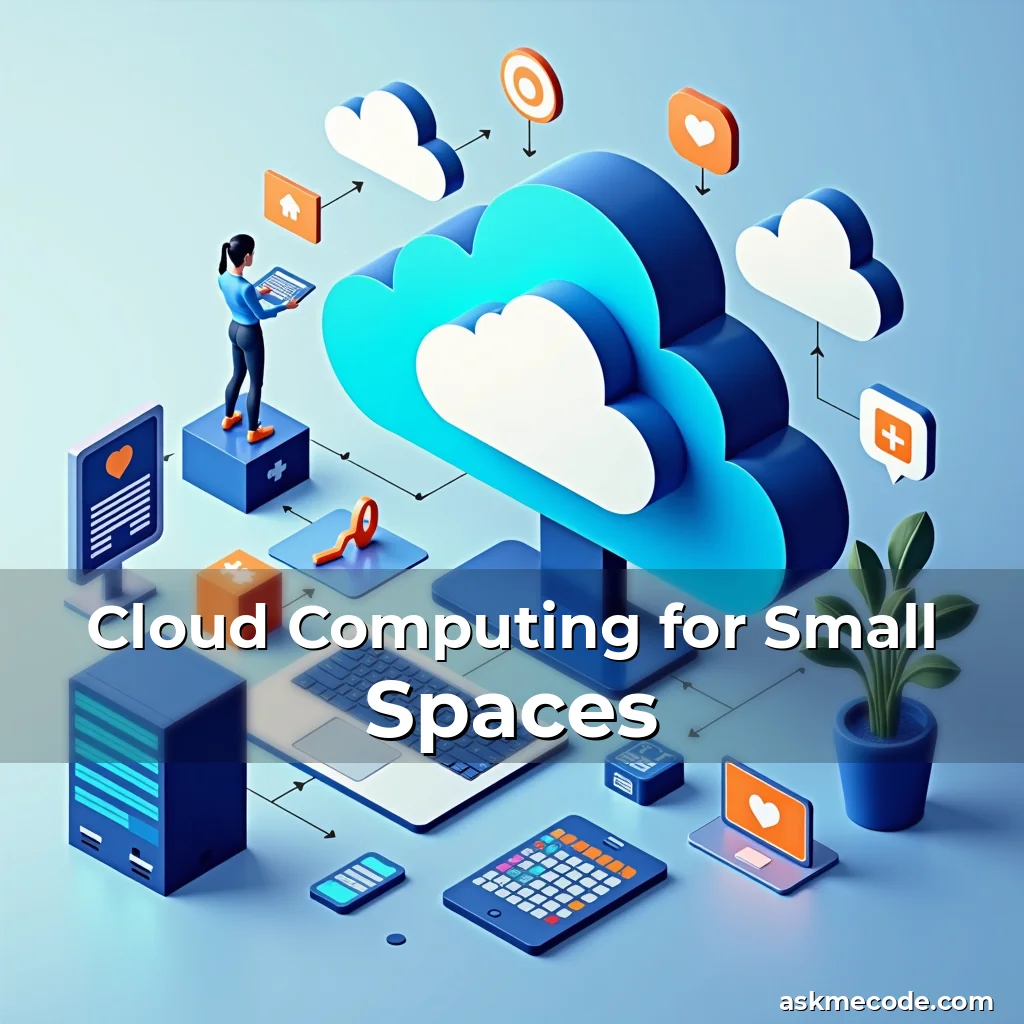
The Green Revolution in Cloud Computing: How Sustainable Tech is Powering Eco-Friendly Living
In an era where environmental consciousness shapes our choices from grocery bags to transportation, cloud computing emerges as a surprising yet vital ally in the quest for sustainability. This powerful technology enables us to reduce physical infrastructure demands while boosting efficiency across industries.
By embracing cloud solutions, we’re not only streamlining operations but also significantly lowering carbon footprints through optimized energy use and resource sharing. The intersection of digital innovation and ecological responsibility has never been more crucial than today.
Eco-Efficiency Through Virtualization
Virtualization stands at the forefront of making cloud computing environmentally friendly. By creating virtual versions of servers, storage systems, and networks within a single physical machine, companies can drastically cut down on hardware requirements.
This approach minimizes electronic waste by reducing the number of devices that need manufacturing, shipping, and eventual disposal. It’s estimated that data centers using virtualization can lower their power consumption by up to 50% compared to traditional setups.
Moreover, virtualized environments allow for dynamic allocation of resources based on real-time demand. When usage decreases, processing power scales back automatically without wasting energy on idle components.
For example, a small business might have ten separate physical servers running different applications. With virtualization, these could all operate on two high-performance machines instead.
- Data center consolidation: Merging multiple physical locations into centralized hubs reduces travel distances for maintenance crews and lowers overall emissions.
- Energy-efficient cooling: Modern cloud facilities utilize advanced airflow management techniques alongside natural cooling methods such as geothermal exchange systems.
Sustainable Data Center Practices
Modern cloud providers are redefining what it means to run a data center responsibly. These massive facilities house thousands of servers that process information globally, consuming vast amounts of electricity daily.
Pioneering companies now implement renewable energy sources like solar panels, wind turbines, and hydroelectric generators to power their operations. Some even purchase green energy credits to offset non-renewable usage when necessary.
A notable example is Google’s commitment to achieving net-zero carbon emissions by 2030. They’ve invested heavily in offshore wind farms and purchased enough renewable energy certificates to match 100% of their global annual electricity needs.
Maintaining optimal temperatures inside server rooms requires significant energy expenditure. However, innovative designs incorporate outside air filtration systems which can cool equipment using ambient temperatures during favorable weather conditions.
Cooling Innovations Reducing Energy Consumption
Traditional cooling mechanisms often rely on refrigerants that contribute to ozone depletion. Newer technologies employ liquid immersion cooling where servers are submerged in non-conductive fluids capable of absorbing heat efficiently.
Facebook’s data center in Luleå, Sweden utilizes cold air from the surrounding environment combined with AI-driven temperature control algorithms to maintain ideal operating conditions while minimizing mechanical intervention.
These advancements mean that some modern data centers consume less than half the energy required by conventional ones, substantially decreasing their environmental impact over time.
As these practices become standard industry norms, consumers benefit indirectly through reduced costs associated with maintaining clean energy infrastructures.
Reduced Physical Footprint & Resource Conservation
The shift towards cloud-based services dramatically cuts down on the need for local IT infrastructure. Instead of each organization maintaining its own network of computers and peripherals, they access shared resources remotely via internet connections.
This transition leads to fewer obsolete gadgets ending up in landfills since users don’t need to replace outdated software-compatible hardware every few years. It promotes longer product lifespans through consistent updates provided centrally rather than individually.
Furthermore, remote work enabled by robust cloud platforms allows employees to avoid commuting, thereby cutting greenhouse gas emissions related to transportation sectors worldwide.
According to studies conducted by the International Energy Agency, widespread adoption of cloud services could potentially save millions of tons of CO₂ annually equivalent to taking hundreds of thousands of cars off roads permanently.
Green Certifications Driving Industry Standards
To ensure transparency regarding their environmental performance metrics, many leading cloud service providers obtain third-party certifications demonstrating compliance with strict sustainability benchmarks.
Certification bodies evaluate factors ranging from energy efficiency ratings to waste reduction strategies before granting recognition status upon organizations meeting specified criteria.
Microsoft Azure holds several prestigious accolades including LEED Gold certification for its data centers indicating superior building design focused around energy conservation principles.
Such validations give end-users confidence knowing their chosen provider prioritizes planetary health alongside technological advancement.
Carbon Offsetting Programs & Environmental Stewardship
Beyond direct operational improvements, progressive cloud firms participate actively in various carbon offset initiatives aimed at neutralizing residual emissions from unavoidable activities.
Investments made go toward funding projects involving tree planting efforts, methane capture installations, and other nature-based climate solutions designed specifically to absorb atmospheric pollutants effectively.
Amazon Web Services exemplifies this commitment having pledged $2 billion towards decarbonization goals covering both immediate emission reductions plus long-term restoration undertakings.
Consumers who opt for certified green hosting options thus support broader ecosystem recovery programs that would otherwise receive insufficient attention or financial backing under current market structures.
Fostering Innovation Within Sustainable Frameworks
Cloud computing acts as fertile ground for developing new technologies aligned with ecological objectives. Researchers leverage distributed computing capabilities to simulate complex environmental models accurately predicting future climate scenarios.
Machine learning algorithms trained on extensive datasets help identify patterns indicative of biodiversity loss enabling targeted interventions before irreversible damage occurs.
Collaborative platforms hosted virtually facilitate knowledge exchange among scientists working internationally on pressing issues affecting planet Earth’s delicate balance.
These tools empower communities everywhere regardless of geographic location or economic background to engage meaningfully in preserving natural habitats facing existential threats due primarily to human activity.
Empowering Individuals Toward Greener Futures
While much discussion revolves around corporate-level changes, individuals play equally critical roles in shaping how cloud technologies evolve sustainably going forward.
Selecting web hosts known for strong environmental policies sends clear signals about consumer preferences influencing market trends favorably toward greener alternatives naturally.
Supporting startups specializing in low-emission digital products encourages continued development within ethical tech spheres ensuring accessibility remains intact without compromising core values centered around protecting life-supporting ecosystems.
Engaging proactively with social media campaigns promoting awareness raises public understanding encouraging wider participation in collective action against harmful industrial practices prevalent historically.
Conclusion
Cloud computing represents far more than just another technological advancement; it serves as a transformative force reshaping humanity’s relationship with nature itself.
Through smart implementation focusing relentlessly on minimizing negative impacts while maximizing positive outcomes, we stand poised collectively to create healthier worlds inhabited harmoniously by diverse forms of intelligent beings coexisting mutually beneficially together.
“`
“`
The Green Revolution in Cloud Computing: How Sustainable Tech is Powering Eco-Friendly Living
In an era where environmental consciousness shapes our choices from grocery bags to transportation, cloud computing emerges as a surprising yet vital ally in the quest for sustainability. This powerful technology enables us to reduce physical infrastructure demands while boosting efficiency across industries.
By embracing cloud solutions, we’re not only streamlining operations but also significantly lowering carbon footprints through optimized energy use and resource sharing. The intersection of digital innovation and ecological responsibility has never been more crucial than today.
Eco-Efficiency Through Virtualization
Virtualization stands at the forefront of making cloud computing environmentally friendly. By creating virtual versions of servers, storage systems, and networks within a single physical machine, companies can drastically cut down on hardware requirements.
This approach minimizes electronic waste by reducing the number of devices that need manufacturing, shipping, and eventual disposal. It’s estimated that data centers using virtualization can lower their power consumption by up to 50% compared to traditional setups.
Moreover, virtualized environments allow for dynamic allocation of resources based on real-time demand. When usage decreases, processing power scales back automatically without wasting energy on idle components.
For example, a small business might have ten separate physical servers running different applications. With virtualization, these could all operate on two high-performance machines instead.
- Data center consolidation: Merging multiple physical locations into centralized hubs reduces travel distances for maintenance crews and lowers overall emissions.
- Energy-efficient cooling: Modern cloud facilities utilize advanced airflow management techniques alongside natural cooling methods such as geothermal exchange systems.
Sustainable Data Center Practices
Modern cloud providers are redefining what it means to run a data center responsibly. These massive facilities house thousands of servers that process information globally, consuming vast amounts of electricity daily.
Pioneering companies now implement renewable energy sources like solar panels, wind turbines, and hydroelectric generators to power their operations. Some even purchase green energy credits to offset non-renewable usage when necessary.
A notable example is Google’s commitment to achieving net-zero carbon emissions by 2030. They’ve invested heavily in offshore wind farms and purchased enough renewable energy certificates to match 100% of their global annual electricity needs.
Maintaining optimal temperatures inside server rooms requires significant energy expenditure. However, innovative designs incorporate outside air filtration systems which can cool equipment using ambient temperatures during favorable weather conditions.
Cooling Innovations Reducing Energy Consumption
Traditional cooling mechanisms often rely on refrigerants that contribute to ozone depletion. Newer technologies employ liquid immersion cooling where servers are submerged in non-conductive fluids capable of absorbing heat efficiently.
Facebook’s data center in Luleå, Sweden utilizes cold air from the surrounding environment combined with AI-driven temperature control algorithms to maintain ideal operating conditions while minimizing mechanical intervention.
These advancements mean that some modern data centers consume less than half the energy required by conventional ones, substantially decreasing their environmental impact over time.
As these practices become standard industry norms, consumers benefit indirectly through reduced costs associated with maintaining clean energy infrastructures.
Reduced Physical Footprint & Resource Conservation
The shift towards cloud-based services dramatically cuts down on the need for local IT infrastructure. Instead of each organization maintaining its own network of computers and peripherals, they access shared resources remotely via internet connections.
This transition leads to fewer obsolete gadgets ending up in landfills since users don’t need to replace outdated software-compatible hardware every few years. It promotes longer product lifespans through consistent updates provided centrally rather than individually.
Furthermore, remote work enabled by robust cloud platforms allows employees to avoid commuting, thereby cutting greenhouse gas emissions related to transportation sectors worldwide.
According to studies conducted by the International Energy Agency, widespread adoption of cloud services could potentially save millions of tons of CO₂ annually equivalent to taking hundreds of thousands of cars off roads permanently.
Green Certifications Driving Industry Standards
To ensure transparency regarding their environmental performance metrics, many leading cloud service providers obtain third-party certifications demonstrating compliance with strict sustainability benchmarks.
Certification bodies evaluate factors ranging from energy efficiency ratings to waste reduction strategies before granting recognition status upon organizations meeting specified criteria.
Microsoft Azure holds several prestigious accolades including LEED Gold certification for its data centers indicating superior building design focused around energy conservation principles.
Such validations give end-users confidence knowing their chosen provider prioritizes planetary health alongside technological advancement.
Carbon Offsetting Programs & Environmental Stewardship
Beyond direct operational improvements, progressive cloud firms participate actively in various carbon offset initiatives aimed at neutralizing residual emissions from unavoidable activities.
Investments made go toward funding projects involving tree planting efforts, methane capture installations, and other nature-based climate solutions designed specifically to absorb atmospheric pollutants effectively.
Amazon Web Services exemplifies this commitment having pledged $2 billion towards decarbonization goals covering both immediate emission reductions plus long-term restoration undertakings.
Consumers who opt for certified green hosting options thus support broader ecosystem recovery programs that would otherwise receive insufficient attention or financial backing under current market structures.
Fostering Innovation Within Sustainable Frameworks
Cloud computing acts as fertile ground for developing new technologies aligned with ecological objectives. Researchers leverage distributed computing capabilities to simulate complex environmental models accurately predicting future climate scenarios.
Machine learning algorithms trained on extensive datasets help identify patterns indicative of biodiversity loss enabling targeted interventions before irreversible damage occurs.
Collaborative platforms hosted virtually facilitate knowledge exchange among scientists working internationally on pressing issues affecting planet Earth’s delicate balance.
These tools empower communities everywhere regardless of geographic location or economic background to engage meaningfully in preserving natural habitats facing existential threats due primarily to human activity.
Empowering Individuals Toward Greener Futures
While much discussion revolves around corporate-level changes, individuals play equally critical roles in shaping how cloud technologies evolve sustainably going forward.
Selecting web hosts known for strong environmental policies sends clear signals about consumer preferences influencing market trends favorably toward greener alternatives naturally.
Supporting startups specializing in low-emission digital products encourages continued development within ethical tech spheres ensuring accessibility remains intact without compromising core values centered around protecting life-supporting ecosystems.
Engaging proactively with social media campaigns promoting awareness raises public understanding encouraging wider participation in collective action against harmful industrial practices prevalent historically.
Conclusion
Cloud computing represents far more than just another technological advancement; it serves as a transformative force reshaping humanity’s relationship with nature itself.
Through smart implementation focusing relentlessly on minimizing negative impacts while maximizing positive outcomes, we stand poised collectively to create healthier worlds inhabited harmoniously by diverse forms of intelligent beings coexisting mutually beneficially together.


news is a contributor at AskMeCode. We are committed to providing well-researched, accurate, and valuable content to our readers.
You May Also Like


Ai Will Beat Human Coders By The End Of 2025 - Will Ai Surpass Human Coders By 2025?
This translates to approximately 1.5 trillion lines of code in total. However, AI systems, particularly those utilizing machine learning and...
Java Palindrome Program
Java Palindrome Program This Java palindrome program lets the user enter any positive integer and then it will check whether...

How to Choose Machine Learning: Expert Guide
Integrating Machine Learning in Sustainable Living Practices: A Comprehensive Exploration In an era where technology intersects with environmental consciousness, machine...

Version Control Step-by-Step Tutorial
Mastering Version Control: A Sustainable Approach to Code Collaboration In an era where sustainability isn't just a buzzword but a...