


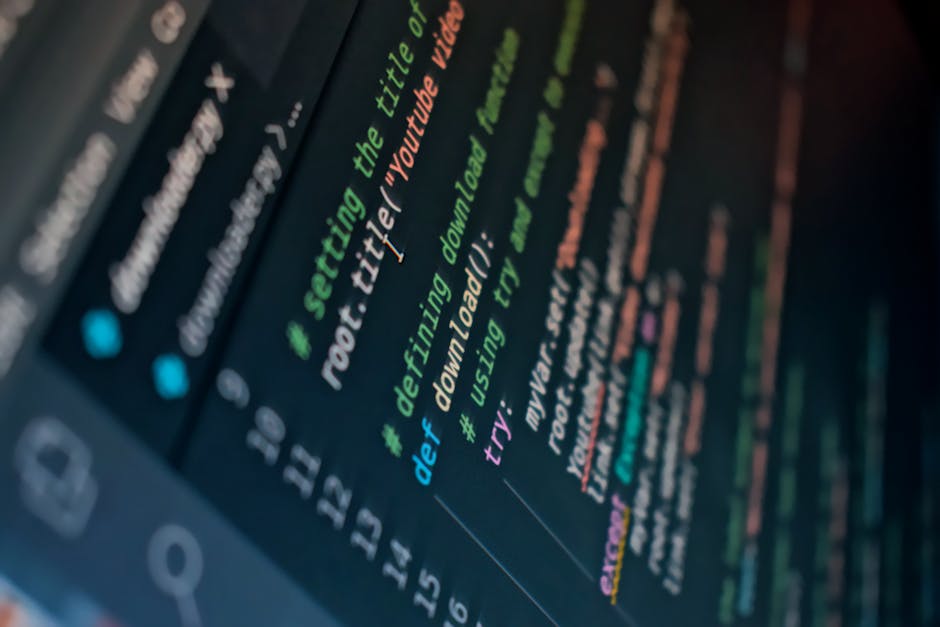
The Art of Debugging: A Sustainable Approach to Problem-Solving in Eco-Friendly Living
In our pursuit of an eco-conscious lifestyle, we often focus on reducing waste, conserving energy, and embracing green technologies. However, there’s another critical skill that can significantly enhance our sustainability efforts—debugging. Whether you’re troubleshooting a solar panel system or optimizing your home’s energy efficiency, mastering debugging techniques ensures that your environmental initiatives run smoothly and effectively.
Debugging is not merely about fixing errors; it’s a methodical process of identifying issues, analyzing their root causes, and implementing solutions that align with our commitment to sustainability. This guide explores how debugging principles apply to various aspects of sustainable living, offering practical strategies to maintain and refine your eco-friendly practices without compromising effectiveness or efficiency.
Fundamentals of Debugging in Sustainable Practices
To begin understanding debugging within the context of sustainable living, it’s essential to recognize its core components. Debugging involves systematically examining systems or processes to detect flaws, inefficiencies, or unexpected behaviors that hinder performance. In the realm of eco-friendly living, these could range from malfunctioning appliances to suboptimal resource usage patterns.
By adopting a structured approach, individuals can pinpoint where things are going wrong and take corrective actions promptly. For instance, if your compost bin isn’t decomposing organic matter efficiently, debugging would involve checking factors such as moisture levels, temperature control, and microbial activity rather than simply discarding the entire setup.
- Detailed Observation: Carefully monitoring daily activities related to sustainability allows early detection of anomalies before they escalate into larger problems.
- Hypothesis Testing: Formulating testable hypotheses based on observations helps isolate variables contributing to inefficiency or failure within any given system.
Common Challenges Encountered During Debugging Processes
While debugging offers numerous benefits, it also presents several challenges unique to maintaining sustainable lifestyles. One common issue arises when trying to balance between immediate fixes and long-term ecological impact assessments. Rushing through diagnostics might lead to temporary resolutions that undermine overall environmental goals over time.
Another challenge lies in interpreting complex data sets generated by smart devices used for tracking consumption metrics. Understanding trends requires both technical knowledge and analytical skills which many eco-conscious consumers may lack initially but develop through consistent practice and learning opportunities provided by community platforms focused on sustainability education.
Data Interpretation Techniques for Enhanced Sustainability Insights
Interpreting data accurately plays a crucial role in effective debugging scenarios aimed at improving environmental outcomes. Tools like energy monitors provide real-time feedback regarding electricity usage across different household functions allowing users identify high-consumption areas needing attention.
For example, noticing spikes during certain hours suggests potential inefficiencies either due to outdated equipment or improper scheduling habits that could be optimized using automated controls integrated into modern homes designed around green principles.
Leveraging Technology for Efficient Debugging Solutions
Technology has become indispensable toolset for anyone aiming towards achieving optimal results while practicing environmentally friendly habits. From IoT-enabled sensors detecting leaks automatically to AI algorithms predicting maintenance needs ahead of schedule, innovations continue shaping future directions toward smarter conservation methods.
These advancements allow us monitor everything from water usage down granular level ensuring minimal wastage occurs unnoticed. Additionally, mobile applications now offer personalized recommendations tailored specifically according to user behavior patterns making adjustments easier than ever before especially considering diverse geographical locations affecting accessibility differently depending upon local conditions.
Cultivating Mindfulness Through Structured Debugging Approaches
Mindfulness cultivated via deliberate application of systematic problem-solving frameworks enhances awareness surrounding personal choices impacting environment positively or negatively. Engaging deeply with each step involved during diagnostic phases encourages reflection upon broader implications beyond direct consequences associated solely with particular task being examined.
This heightened consciousness fosters better decision-making capabilities enabling individuals make informed choices reflecting values aligned closely with promoting healthiness planetwide. As people learn observe themselves critically under pressure situations typically encountered amidst ongoing projects requiring constant vigilance against setbacks arising unexpectedly along way forward.
Community Engagement Strategies Enhancing Collective Debugging Efforts
Engagement among members belonging same communities greatly amplifies effectiveness achieved through collaborative debugging undertakings. Sharing experiences openly facilitates quicker identification solutions applicable wider audiences facing similar obstacles confronting them simultaneously.
Platforms dedicated fostering dialogue amongst practitioners passionate pursuing greener alternatives serve invaluable resources connecting experts novices alike creating supportive ecosystems nurturing continuous improvement cycles beneficial everyone participating regardless experience levels held previously prior engagement periods.
Educational Resources Supporting Advanced Debugging Skills Development
Access availability quality educational materials significantly influences proficiency attained concerning mastery debugging methodologies pertinent sustainability sectors. Online courses workshops seminars conducted regularly provide updated information evolving technological landscape influencing current approaches utilized everyday life routines involving eco-friendliness aspect thereof.
Additionally books publications written professionals field ensure readers gain solid theoretical foundation practically applicable scenarios encountered real world environments particularly relevant urban settings versus rural counterparts experiencing distinct challenges altogether necessitating customized responses accordingly.
Environmental Impact Assessment Frameworks Utilized Throughout Debugging Phases
Assessments evaluating environmental impacts integral part thorough debugging procedures undertaken safeguard long term viability implemented strategies chosen initially intended address identified concerns originally prompting investigation commenced ultimately leading resolution found after series steps executed sequentially following logical progression outlined plan devised beforehand.
Frameworks exist guiding assessment processes helping determine whether proposed interventions indeed contribute net positive change ecosystem rather causing unintended harm elsewhere possibly overlooked initial stages analysis phase undertaken groundwork necessary establishing baseline measurements required comparison purposes later evaluations carried out periodically thereafter ensuring sustained progress maintained consistently overtime horizon considered acceptable benchmarks set forth guidelines established authoritative bodies regulating standards upheld globally recognized internationally accepted protocols governing responsible conduct towards preservation natural resources available finite quantities must managed judiciously prevent depletion occurring prematurely resulting irreversible damage occurring irreparably altering planetary conditions adversely affecting human existence itself fundamentally.
Conclusion
Mastering debugging techniques is vital for sustaining successful eco-friendly initiatives. By applying structured methodologies rooted in observation, hypothesis testing, and technology integration, individuals can continuously optimize their environmental practices for greater efficacy and longevity.
Embrace debugging as a proactive strategy rather than reactive measure—it empowers you to anticipate challenges before they arise, adapt swiftly to changing circumstances, and foster resilience within your sustainability journey. With dedication and mindful application, every debug session becomes an opportunity to strengthen both personal commitment and collective impact towards building healthier, more resilient ecosystems worldwide.


news is a contributor at AskMeCode. We are committed to providing well-researched, accurate, and valuable content to our readers.
You May Also Like
How to replace functions or methods?
The simplest way to replace a function or method is to refactor the existing code so that it no longer...
Python Exit Program - Making You Exit the Program Okay
Python Exit Program - Making You Exit the Program Okay: A blog around exit codes in python. You're writing a...
Advantages of Mastering the Command Line
Learning to master the command line is a daunting task for many beginners. There are a lot of commands, too...


Fundamentals of Algorithm Design for Sustainability
The Algorithmic Blueprint for Sustainable Living: Designing Eco-Friendly Solutions Through Code In an era where technology intersects deeply with environmental...