Programming for Small Spaces
February 10, 2026 • By news • 0 Comments
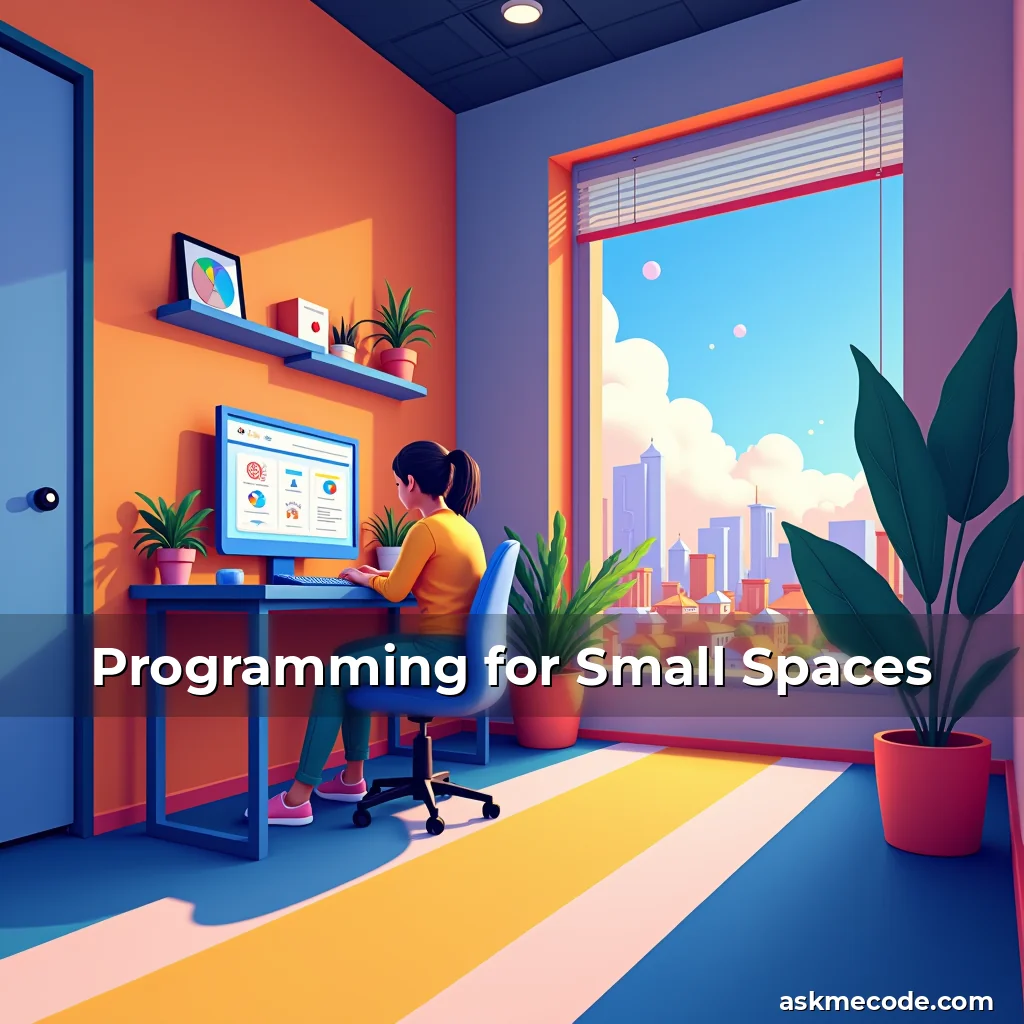
Programming for Small Spaces: Sustainable Solutions in Compact Living
In an era defined by urbanization and climate consciousness, the challenge of optimizing small living spaces has become increasingly urgent. Programming offers powerful tools to transform compact environments into efficient, eco-conscious habitats. From smart home technologies to algorithmic resource management, coding enables innovative approaches to sustainability.
This article explores how programming intersects with sustainable living practices in small spaces. We’ll delve into practical applications such as energy-efficient automation, waste-reducing algorithms, and community-driven digital ecosystems. Whether you’re a developer, a homeowner, or simply curious about eco-innovation, this guide will illuminate pathways to greener living through technology.
The Role of Smart Technology in Space Optimization
Smart technology, powered by programming, redefines what’s possible in small spaces. Sensors, IoT devices, and AI-driven systems work together to maximize utility while minimizing environmental impact. These innovations don’t require vast square footage—they thrive in compact settings.
Consider a programmable thermostat that learns your habits and adjusts heating/cooling accordingly. Such devices reduce energy waste, lower bills, and shrink carbon footprints. Similarly, motion-sensor lights cut unnecessary electricity use, proving that even minor technological interventions yield significant benefits.
- IoT Integration: Connecting appliances, lights, and HVAC systems allows centralized control via mobile apps or voice assistants. This reduces manual effort and ensures resources are used efficiently.
- Data Analytics: Algorithms analyze usage patterns over time, identifying inefficiencies. For example, a system might detect when a fridge door is left open longer than average, prompting alerts or recommendations.
Modular Furniture Design Through Code-Based Tools
Furniture occupies a critical role in small-space living. Programming enables the creation of modular designs that adapt dynamically to users’ needs. Digital modeling software and parametric design tools empower creators to build multifunctional pieces that conserve space and materials.
Tools like SketchUp or Fusion 360 allow designers to simulate furniture configurations virtually before prototyping. By writing scripts or plugins, developers can automate repetitive tasks, such as generating adjustable shelving units or foldable tables. These innovations prioritize functionality without sacrificing aesthetics.
Case Study: Foldable Structures and Algorithmic Efficiency
A recent study found that algorithmically designed folding furniture saves up to 40% of floor space compared to traditional models. Programs calculate optimal angles and joint placements to ensure stability while maximizing collapse potential. This approach minimizes material waste during production and enhances usability post-purchase.
Moreover, open-source communities contribute thousands of customizable templates. Programmers can tweak parameters like height, width, or weight capacity to suit individual preferences. Such flexibility aligns perfectly with the ethos of sustainable, personalized living.
Renewable Energy Management Systems
Small spaces often rely on grid electricity, which may not always come from clean sources. However, programming plays a vital role in integrating renewable energy solutions. Solar panels, wind turbines, and micro-hydro generators can be optimized using custom-built software.
Energy management programs monitor power generation and consumption in real time. When paired with batteries, they store excess energy for later use, reducing reliance on fossil fuels. Users receive alerts when their system reaches peak efficiency or requires maintenance, promoting proactive care.
- Solar Tracking Algorithms: Software adjusts solar panels to follow the sun’s path, increasing energy capture by up to 30%. This is particularly beneficial for rooftop installations in urban areas.
- Battery Lifecycle Prediction: Machine learning models predict battery degradation rates based on usage patterns. This helps owners replace components before failures occur, extending system longevity.
Waste Reduction Through Automation
Household waste is a pressing issue, especially in densely populated regions. Programming facilitates smarter disposal methods, from sorting recyclables to tracking composting cycles. Automated systems reduce human error and streamline processes.
AI-powered bins equipped with cameras and image recognition software can identify recyclable items automatically. Once sorted, data logs provide insights into consumption trends, helping individuals adjust behaviors for greater sustainability. Some systems even reward users with points redeemable for discounts or donations.
Composting Made Efficient with Coding
Composting in small apartments poses challenges due to limited outdoor access. A programmable compost bin uses sensors to measure temperature, moisture, and decomposition progress. It sends reminders to turn the pile or add organic matter, ensuring optimal conditions for microbial activity.
Mobile apps linked to these bins offer step-by-step guides tailored to local climates. For instance, users in colder regions might receive tips on indoor composting techniques, while those in warmer zones get advice on vermicomposting. This personalization enhances adoption rates and effectiveness.
Community Engagement Platforms for Eco-Friendly Living
Sustainability thrives on collaboration. Programming fosters community networks where individuals exchange knowledge, resources, and support. Online platforms connect neighbors working toward shared green goals, creating ripple effects beyond individual households.
Developers can build forums or social media groups dedicated to zero-waste living, tool-sharing, or urban gardening. Features like event calendars, skill swap directories, and localized news feeds strengthen bonds among participants. These interactions cultivate accountability and inspire collective action.
- Digital Tool Libraries: Apps enable users to borrow tools instead of purchasing new ones. This reduces demand for raw materials and extends product lifespans.
- Carpool Coordination Systems: Algorithms match people traveling similar routes, cutting down on transportation emissions and costs.
Educational Resources and Open Source Projects
Learning to program for sustainability doesn’t require advanced technical expertise. Numerous educational platforms offer beginner-friendly courses on topics ranging from Arduino electronics to Python scripting for data analysis. These resources democratize access to impactful technologies.
Open source projects further accelerate innovation. Developers worldwide contribute to repositories containing pre-written code for smart home systems, energy monitors, or waste-tracking apps. Beginners can modify existing projects, gaining hands-on experience while addressing real-world problems.
How to Get Started: A Step-by-Step Approach
To dive into programming for sustainability, start by selecting a niche area that interests you most—energy conservation, waste reduction, or community building. Research tutorials, join online communities, and experiment with simple projects like automating LED strips or designing a basic weather station.
Once comfortable with foundational concepts, expand your toolkit by learning APIs related to renewable energy grids or IoT device communication protocols. Collaborate with others through hackathons or local meetups to refine your skills and amplify your impact.
Future Trends and Emerging Technologies
The intersection of programming and sustainability is rapidly evolving. Upcoming advancements promise even deeper integration of technology into everyday life. Quantum computing, blockchain for supply chain transparency, and bio-integrated circuits are poised to reshape our relationship with the environment.
Quantum algorithms could revolutionize logistics by optimizing delivery routes to minimize fuel consumption. Blockchain ledgers might trace products back to their origins, verifying ethical sourcing practices. Meanwhile, bio-inspired hardware aims to mimic natural processes for self-repairing infrastructure or biodegradable electronics.
Conclusion
Programming isn’t merely about building websites or apps—it’s a force multiplier for sustainability efforts in constrained spaces. From intelligent automation to collaborative ecosystems, technology empowers us to live more thoughtfully with fewer resources.
Whether you’re coding a smart garden sensor or contributing to an open source project, your actions ripple outward. Embrace the opportunity to merge creativity with purpose, crafting a future where innovation serves both people and planet seamlessly.

news is a contributor at AskMeCode. We are committed to providing well-researched, accurate, and valuable content to our readers.