Making Energy Efficiency Intelligent: Machine Learning in Renewable Systems
The Green Algorithm: How Machine Learning is Revolutionizing Sustainable Living Through Eco-Friendly Innovation
In an era where climate change dominates global conversations, the intersection of technology and sustainability has become increasingly vital. Among the most transformative forces in this space is machine learning—a powerful subset of artificial intelligence that enables systems to learn from data without explicit programming. From optimizing energy consumption to revolutionizing waste management, machine learning is redefining how we approach environmental challenges.
This article explores the intricate role of machine learning in fostering sustainable practices, uncovering its applications across various sectors such as renewable energy, agriculture, smart cities, and conservation efforts. By understanding these innovations, eco-conscious individuals can gain insight into how cutting-edge algorithms are paving the way toward a greener future.
Making Energy Efficiency Intelligent: Machine Learning in Renewable Systems
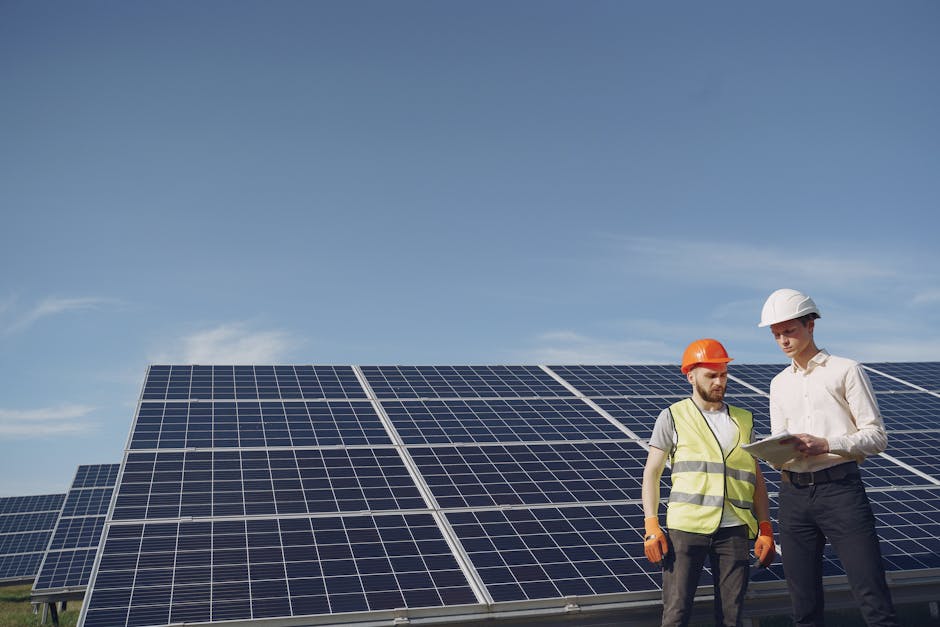
One of the most critical areas where machine learning contributes to sustainability is in enhancing the efficiency of renewable energy sources. Traditional power grids often struggle with unpredictable fluctuations in solar and wind energy production due to weather conditions and time-of-day variations. However, machine learning models analyze vast datasets—including historical weather patterns, real-time sensor inputs, and consumer demand trends—to optimize energy distribution dynamically.
Machine learning algorithms predict peak load times accurately by identifying patterns in electricity usage over months or years. This predictive capability allows utility providers to balance supply and demand seamlessly, reducing reliance on fossil fuels during high-demand periods while maximizing the use of clean energy when available.
For instance, companies like Google have implemented AI-driven solutions that manage their massive data centers’ cooling needs using machine learning techniques. These models adjust temperatures based on external factors like ambient air quality and internal server loads, significantly lowering overall energy consumption without compromising performance.
A notable case study involves DeepMind’s collaboration with the UK National Grid ESO (Electricity System Operator). Using neural networks trained on extensive energy generation and consumption records, they developed tools capable of forecasting wind farm outputs up to three days ahead with remarkable accuracy. Such advancements ensure that excess wind-generated electricity doesn’t go unused but instead gets stored efficiently through battery systems or redirected towards industrial processes requiring heat.
Moreover, smart home devices equipped with embedded ML capabilities now offer users personalized recommendations on adjusting thermostat settings or scheduling appliance usage at off-peak hours automatically. These small yet impactful changes collectively contribute to substantial reductions in household carbon footprints worldwide.
- Predictive maintenance: By analyzing equipment health metrics continuously, ML identifies potential failures before they occur, minimizing downtime and resource wastage associated with repairs.
- Load balancing: Algorithms distribute electrical loads intelligently among different regions, preventing blackouts caused by localized surges while ensuring equitable access to green power resources globally.
- Demand response programs: Utilities leverage ML insights to incentivize consumers to shift non-critical activities during low-demand windows via dynamic pricing strategies, promoting widespread adoption of efficient energy habits.
These examples illustrate how integrating machine learning into our infrastructure not only improves operational efficiencies but also fosters long-term resilience against climate-related disruptions affecting traditional energy markets.
Cultivating Sustainability: Machine Learning Enhances Precision Agriculture
Farmers around the world face mounting pressure to produce food sustainably amidst diminishing arable land and increasing population demands. Herein lies another promising application of machine learning—precision agriculture—which leverages advanced analytics to enhance crop yields while conserving water, soil nutrients, and other essential natural resources.
Modern farming operations utilize IoT-enabled sensors placed strategically within fields to monitor parameters like moisture levels, temperature fluctuations, pest activity indicators, etc., transmitting continuous streams of information back to centralized databases managed by cloud computing platforms powered by machine learning technologies.
An illustrative example comes from startups employing computer vision along with deep learning frameworks to detect early signs of plant diseases or nutrient deficiencies visually inspecting aerial images captured regularly by drones flying over farmlands. Once identified, targeted interventions can be executed promptly rather than resorting to broad-spectrum pesticide sprays detrimental both environmentally harmful and economically costly.
Furthermore, predictive modeling based on satellite imagery analysis helps farmers decide optimal planting schedules tailored specifically according to regional climatic anomalies observed annually. This proactive strategy minimizes risks posed by extreme weather events while simultaneously improving harvest consistency year after year.
Soil health monitoring represents yet another crucial facet where machine learning proves invaluable. Sensors embedded beneath the surface measure pH values, organic matter composition, microbial biodiversity indices, and trace mineral contents periodically; then fed into sophisticated AI engines which recommend precise fertilizer formulations customized uniquely for each plot size and type under cultivation.
Such fine-grained control reduces chemical runoff into surrounding ecosystems dramatically compared to conventional blanket fertilization methods still widely practiced today despite known negative ecological impacts.
Case Study: FarmBeats – Microsoft’s Initiative Towards Data-Driven Farming
Microsoft launched “FarmBeats” project aiming to bridge digital divide existing currently between urban tech giants developing state-of-the-art software solutions versus rural communities lacking adequate internet connectivity necessary implementing such transformative tools effectively. Utilizing edge computing architecture combined with lightweight ML modules deployable locally even offline, this initiative empowers smallholder farmers too benefit from big data advantages traditionally reserved solely for commercial agribusinesses operating scale.
FarmBeats employs affordable drone-mounted cameras capturing multispectral images processed later via convolutional neural network architectures trained extensively diverse agricultural scenarios worldwide. This enables rapid identification emerging threats threatening crops regardless geographical location thereby facilitating timely action mitigating losses incurred otherwise would lead significant economic hardship especially vulnerable populations dependent subsistence farming primarily.
Data collected during routine field inspections integrated seamlessly Cloud-based dashboards accessible mobile phones tablets allowing instant access actionable intelligence anytime anywhere convenient user preferred device. Regular updates provided regarding irrigation requirements nitrogen deficiency alerts pest infestation warnings help growers make informed decisions swiftly thus preserving precious resources judiciously.
Through initiatives like FarmBeats, the barriers to adopting precision agriculture technologies continue decreasing rapidly making sustainable farming practices attainable even remote locations previously excluded technological progressions benefiting broader segments society contributing positively planet Earth simultaneously.
Sustainable Cities: Machine Learning Shapes Urban Planning and Mobility
Urban environments represent some largest contributors greenhouse gases globally necessitating innovative approaches reduce emissions without sacrificing convenience modern life offers citizens. Enter intelligent transportation systems enhanced substantially recent advances made possible integration machine learning methodologies designed streamline traffic flow minimize congestion promote public transit utilization ultimately leading cleaner healthier metropolises.
Intelligent traffic lights controlled adaptive signal timing mechanisms utilizing real-time GPS tracking vehicle movements calculate optimal cycle durations dynamically responding changing road conditions accordingly. This reduces idling periods vehicles waiting red signals consequently cuts down fuel combustion rate exhaust pollution levels significantly.
Public transport optimization remains another key area where machine learning shines brightly. Predictive analytics applied route planning software determines best paths buses trams take considering current passenger volumes predicted destinations upcoming stops. Result improved punctuality reliability services encouraging greater ridership rates replacing private car trips henceforth lowering citywide CO₂ output considerably.
Additionally, ride-sharing platforms leverage clustering algorithms identify groups passengers headed similar directions matching them together creating shared rides reducing number cars traversing streets unnecessarily. Uber’s surge pricing model exemplifies effective implementation dynamic pricing strategies influenced live demand maps generated machine learned forecasts anticipating busy zones ahead schedule accordingly.
Smart parking solutions further augment mobility experience cities deploying sensors detecting vacant spots communicating availability drivers smartphones apps guiding them directly nearest open spaces eliminating frustrating searches circling blocks wasting precious minutes oil burned searching empty lots.
Green building certifications such LEED BREEAM increasingly incorporate AI-assisted design elements. Architects employ simulation tools powered machine learning simulate energy performance buildings pre-construction phase tweaking layouts materials selections achieve highest efficiency ratings possible meeting stringent regulatory standards imposed local governments prioritizing climate action plans.
By embedding these forward-thinking measures throughout entire urban fabric, municipalities position themselves leaders sustainability movement transforming concrete jungles verdant hubs innovation coexistence nature humankind.
Eco-Conscious Consumption: Personalized Recommendations for Greener Lifestyles
Beyond institutional transformations sweeping industries like energy agriculture construction lie opportunities everyday people embrace machine learning tools shaping personal choices align better planetary well-being. Apps delivering tailored advice grocery shopping clothing purchases travel itinerary planning increasingly common features leveraging behavioral pattern recognition discern preferences suggest alternatives aligned ethical values environmental consciousness.
Platforms offering product recommendations filter listings accordance sustainability criteria rating scores assigned manufacturers based transparency sourcing practices carbon neutrality commitments recyclability packaging designs durability lifespan products post-purchase disposal options considered comprehensively evaluating full lifecycle impact item selected.
Personal finance applications integrate eco-friendly investment portfolios selecting stocks companies exhibiting strong ESG (Environmental Social Governance) performance metrics tracking progress regular intervals educating users importance divesting support enterprises perpetuating harm environment communities alike.
Waste reduction becomes manageable task households adopt smart recycling bins distinguishing categories trash automatically compressing bin contents minimizing frequency pickups required municipality crews visit residences collect refuse therefore lessening carbon footprint transportation waste collection process itself.
Lifestyle coaching apps apply sentiment analysis techniques understand motivations behind unsustainable behaviors suggesting gradual modifications easier implement long term success. Whether tackling excessive meat consumption proposing weekly veggie meal plans or addressing impulse buying tendencies recommending curated lists ethically sourced items previously unconsidered possibilities presented concisely digestible format.
Such digital companions serve dual purpose: empowering individuals assert control own ecological footprint while simultaneously normalizing discussions ecological responsibility commonplace conversations akin discussing financial wellness mental health topics nowadays.
Conservation Tech: Protecting Nature with Machine Learning Insights
Wildlife preservation endangered species protection endeavors greatly benefited incorporation machine learning analytical prowess enabling scientists gather interpret colossal amounts ecological data faster precision ever before. Camera traps motion detectors acoustic recorders deployed forest reserves generate mountains audiovisual recordings analyzed instantly automated systems recognize individual animals track migration routes identify poaching activities occurring clandestinely night darkened woods.
Deep learning models trained thousands facial expressions photographs enable researchers distinguish between healthy sick specimens assess population demographics critically endangered animal populations experiencing decline alarming rates. Integration thermal imaging technology permits detection nocturnal creatures invisible human eye alone expanding scope monitoring efforts beyond daylight limitations previously constrained investigations.
Marine biologists harness sonar mapping coupled with neural network architectures map ocean floor structures locate coral reefs facing bleaching threats due rising sea temperatures acidification processes impacting marine ecosystem stability adversely. Early warning signals detected prompt intervention measures preserve fragile habitats sustaining biodiversity marine life forms reliant those underwater sanctuaries thrive.
Forestry departments combat illegal logging operations deploying satellite imagery scanned regularly detect deforestation hotspots comparing previous snapshots identify suspicious clearing patterns triggering immediate responses law enforcement agencies dispatched investigate suspected violations apprehend perpetrators holding accountable legal ramifications deterrent effect dissuading others engage similar illicit acts.
Ultimately, these digital surveillance tools amplify effectiveness anti-poaching campaigns safeguard sensitive wildlife corridors prevent habitat fragmentation disrupting delicate ecological balances maintained millennia naturally evolving ecosystems undisturbed except human encroachment recently accelerated pace unprecedented levels.
Challenges & Ethical Considerations in Implementing Machine Learning for Sustainability
While numerous benefits accompany deployment machine learning solutions advancing environmental goals, several hurdles must addressed responsibly ensure equitable outcomes avoid unintended consequences arise misuse poorly regulated implementations. Chief concern revolves around data privacy implications collecting storing processing personal information inherently tied sustainability initiatives whether related energy consumption behavior patterns purchasing histories travel logs etc.
Transparent governance frameworks essential establish clear boundaries determining who controls data gathered, how securely maintained, what purposes permitted usage thereof. Without robust protections place, risk exposing individuals vulnerabilities exploited malicious actors violating fundamental rights autonomy dignity cherished democratic societies worldwide.
Algorithmic bias presents additional challenge requires vigilant scrutiny. If training sets reflect skewed representation certain demographics disproportionately affected algorithmic decision-making processes could reinforce systemic inequities exist already. For instance, energy-saving recommendations might prioritize affluent neighborhoods neglect marginalized communities lacking infrastructure upgrades needed adopt comparable technologies equitably.
To mitigate such disparities, developers must intentionally diversify dataset compositions representing wide range socioeconomic backgrounds geographies cultures ensuring fair treatment everyone involved. Furthermore, inclusive participatory design principles ought adopted involving stakeholders impacted directly final products getting released marketplaces guarantee alignment community needs expectations voiced loudly clearly throughout development cycles.
Lastly, environmental costs associated manufacturing maintaining computational hardware running complex machine learning models cannot ignored entirely either. Although energy-efficient processors servers becoming standard practice industry nonetheless residual carbon footprint persists requiring continual improvements achieved through ongoing research directed minimizing electronic waste generating renewable sources powering datacenters hosting mission-critical AI workloads globally.
Future Horizons: What Lies Ahead for Machine Learning and Sustainability?
Looking ahead, continued evolution machine learning promises unlock new dimensions exploration sustainability frontier. Emerging fields quantum computing neuromorphic engineering poised deliver breakthroughs hitherto unimaginable possibilities. Quantum-enhanced algorithms may solve optimization problems exponentially quicker conventional counterparts enabling real-time adjustments large-scale infrastructural projects demanding instantaneous recalibrations respond fluctuating variables impacting system integrity safety margins.
Neuromorphic chips mimicking biological neurons exhibit superior efficiency handling parallel computations potentially revolutionizing autonomous robots employed cleaning polluted waters extracting microplastics oceans restoring aquatic ecosystems damaged anthropogenic activities over decades. These bio-inspired machines operate fraction consumed traditional silicon-based computers opening avenues deploying compact units remote locations unreachable human operators typically.
Meanwhile, federated learning techniques allow collaborative model training decentralized networks protecting sensitive user data residing locally rather aggregating centrally vulnerable breaches cyberattacks. This paradigm shift preserves confidentiality participants while still deriving collective wisdom from aggregated knowledge bases constructed anonymously securely.
As these frontiers unfold, it becomes imperative cultivate interdisciplinary partnerships bridging gaps technical experts ecologists policymakers educators entrepreneurs working synergistically develop holistic blueprints resilient futures embracing both technological marvels innate regenerative capacities Earth herself offers freely whoever dares listen closely enough hear her whispers calling us home.
Conclusion
From enhancing energy grid reliability to transforming agricultural practices, machine learning stands at forefront revolutionizing pathways toward ecological stewardship. Its ability adaptively respond dynamic environmental contexts provides unparalleled opportunity reimagine relationship humans planet nurturing symbiosis mutually beneficial existence.
Whether seeking ways reduce domestic carbon footprint supporting grassroots conservation efforts advocating policy reforms favoring green technologies, understanding role played machine learning pivotal navigating complexities transition sustainable civilization. Let curiosity guide exploration this fascinating domain discovering countless ways leverage artificial intelligence force good serving humanity Earth equally.